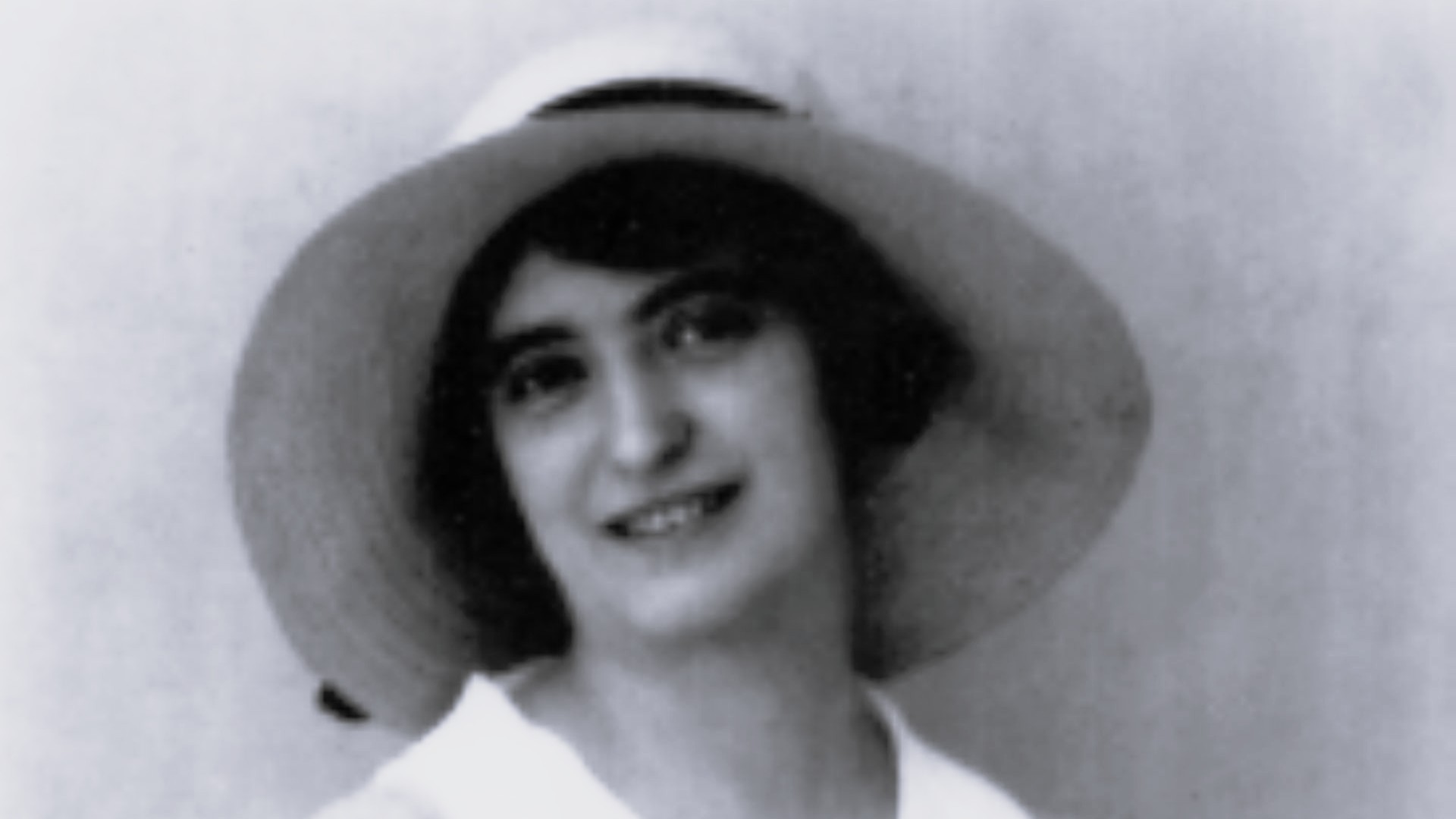
Eleni “Lela” Karagianni is more than just a random name in Greek history. Her actions during World War 2 showcased the amazing power of ordinary people in front of what’s wrong.
Lela’s story has become a symbol in Greece. During those dark times, her family became a symbol of resistance. Her home was her own battlefield, while her actions became one of the strongest weapons against fascism.
Lela was born Eleni Minopoulou, on the 24th of June, 1898. She was born in Limni, a small village on the island of Euboea. She became Eleni Karagianni after marriage. That’s how history remembers her.
An Ordinary Housewife In The Greek Resistance
By October, 1941, Greece was already taken over by the Nazi regime. Lela established her own resistance group called Bouboulina. The name was taken after a Greek heroine called Laskarina Bouboulina.
Her primary goal was to help Allied soldiers get out of Greece to Egypt, but also to work against the Nazi regime through her intelligence network.
When the Nazis ended up in Athens, Lela secretly sold her jewellery. She used the money to buy two different homes. One of them was at 226 Filis Street. The other one was at 1 Limnou Street. These places were turned into safehouses.
Her family was involved as well. She had seven children. Along with her husband Nikolaos, everyone had a role. A local police officer named Georgios Mitsos and a baker joined the cause as well, let alone an ally who worked as a captain on her own fishing boat, Ilias Chrysinis.
The Establishment Of Underground Intelligence
Lela’s work drew attention from the British Intelligence. Initially, she only helped British troops get out of Greece. With time, her work became a mix of operations involving sabotage and espionage. The original route took people from Filis Street to the Monstery of Saint Ierotheos in Megara.
From the monastery, people could reach the Middle East.
However, her organization established connections with numerous groups. She connected to Napoleon Zervas and his guerrilla troops too. Meanwhile, her eldest son George established connections with Athens and the rebels hiding in the mountains.
With time, Bouboulina grew and became one of the best organized underground intelligence organisations in the country. Her network included Italians and Germans who opposed their regimes too.
The Arrest
The Nazi regime developed suspicions, so Lela’s family was obviously targeted. In June, 1941, her daughters Electra and Ioanna were arrested, along with her son George. They were released without being accused of anything.
Lela and her husband were detained just a few months later. She was imprisoned for about seven months, yet she was still dedicated to the resistance.
She spent all her time in prison saving names, learning about spies and gathering information on collaborators. All these names were smuggled to other members of her resistance group.
She was then released, so she got back to her organization. Her network grew even stronger. At that point, her entire family was involved. The case of a whole family of spies was extremely unusual.
Lela’s organisation monitored German soldiers across Attica, mainly by collaborating with Greek labourers forced to work for them.
However, she knew that her release was a Nazi trap. The Gestapo believed that she could make a mistake and lead them to her network. She managed to maintain a low profile for almost three years though.
The Betrayal That Ruined Everything
Lela’s luck ran out in the summer of 1944, just months before the war was over. Some resistance messages fell into Nazi hands. On the 11th of July, 1944, Gestapo troops went to the Red Cross Hospital where Lela was working as a nurse. She was immediately arrested.
Five of her children were also arrested within a few days only: Electra, Ioanna, Byron, Nefeli and Nelson.
Lela was taken to the Gestapo office on Merlin Street, in Athens. She had to endure tremendous torture. She even had to see her children being tortured in front of her. Even the SS interrogator Becke tortured Byron personally, only to force Lela to talk.
No one said anything.
Lela’s Death
After weeks of torture, local Nazi troops decided to get rid of the resistance prisoners. On the 8th of September, 1944, a series of military trucks took prisoners to Daphni, close to Athens. Most prisoners sang patriotic songs as they were transported to the execution site.
Gestapo troops lined up 72 people in a ravine. They were all executed by firing squad. One of them was Lela Karagianni.
In 2011, Eleni Karagianni was recognized as being Righteous Among Nations.